
Brain Health for Adults
Many adults begin exploring brain health after years of managing symptoms that never seem to fully resolve.
They may feel mentally exhausted even after a full night of sleep. Work may require more effort than it once did. Concentration may feel harder, emotions less steady, or energy levels more unpredictable.
For some people, these changes happen gradually. Over time they can begin to affect productivity, relationships, sleep quality, and overall quality of life.
At LūM, brain health care focuses on understanding how the brain is functioning and identifying the underlying patterns that may be contributing to these concerns.
While symptoms vary widely, adults most often seek evaluation when they experience persistent challenges with focus, sleep, mood regulation, mental clarity, or fatigue.
Why Brain Health Challenges Develop in Adulthood
For many adults, brain health concerns are not caused by a single issue. They are often the result of several factors interacting over time.
These may include:
Chronic Stress and Mental Load
Modern life places continuous demands on attention, decision-making, and emotional regulation. Over time, sustained stress can affect how efficiently the brain processes information and regulates mood.
Sleep Disruption
Poor sleep quality or breathing disturbances during sleep can significantly affect brain function. When sleep is not restorative, the brain may struggle with memory, attention, and emotional regulation the following day.
Past Head Injuries
Concussions and other head injuries can alter brainwave patterns. Even injuries that occurred years earlier may contribute to symptoms such as headaches, cognitive fatigue, or difficulty concentrating.
Long-Term Physiological Strain
Fatigue, chronic pain, breathing issues, and other health conditions can influence how the brain functions. When multiple systems are under strain, the brain often reflects those disruptions.
Understanding how these factors interact is an important step toward improving brain health.
A Different Way to Evaluate Brain Function
Traditional healthcare often addresses individual symptoms.
Sleep concerns may lead to sleep medications. Anxiety may lead to therapy or psychiatric medications. Focus challenges may lead to stimulant treatments.
These treatments can be helpful, but they do not always explain why symptoms are occurring together.
At LūM, brain health evaluation focuses on understanding how the brain is functioning as a system.
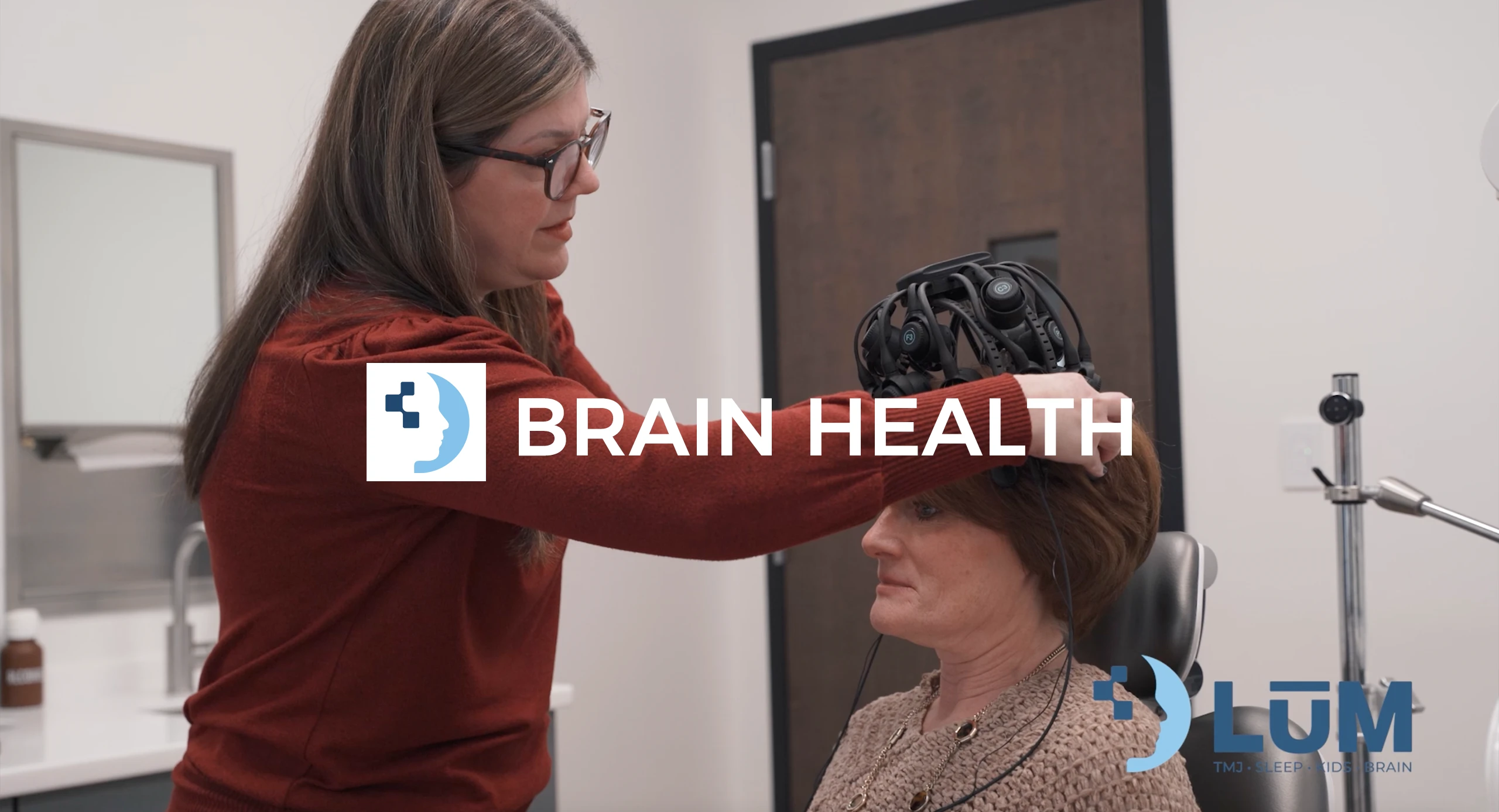
One tool used in this process is EEG brain mapping, which records brainwave activity across multiple regions of the brain. It allows us to observe patterns in brain activity and identify disruptions that may relate to symptoms such as poor sleep, emotional dysregulation, cognitive fatigue, or difficulty concentrating.
The EEG findings are considered alongside detailed symptom assessments and medical history to build a personalized understanding of how the brain is functioning.
Once we understand how the brain is functioning, treatment can be tailored to address the specific patterns affecting that individual patient.
How Brain Health Treatment Works
Treatment recommendations are based on each patient’s evaluation and health history.
One treatment option used at LūM is Personalized repetitive Transcranial Magnetic Stimulation (PrTMS®). This therapy uses magnetic stimulation to help regulate brainwave activity and support healthier brain function.
Treatment is typically delivered through a series of sessions over several weeks, with progress monitored along the way.
In many cases, brain health treatment works best when combined with other supportive therapies. Depending on the patient’s needs, this may include collaboration with providers addressing sleep disorders, airway concerns, mental health support, or other aspects of overall wellness.
The goal is not simply to manage symptoms but to help the brain function more efficiently so patients can experience lasting improvement in daily life.
Brain Health Across Every Stage of Life
Brain health is important at every age.
Adults often seek care to improve energy, sleep quality, focus, and emotional well-being. Children and adolescents may experience brain health challenges differently, particularly in areas related to development, behavior, and learning.
To learn more about how brain health care is tailored for younger patients, visit: